AwF – Aquaculture without Frontiers
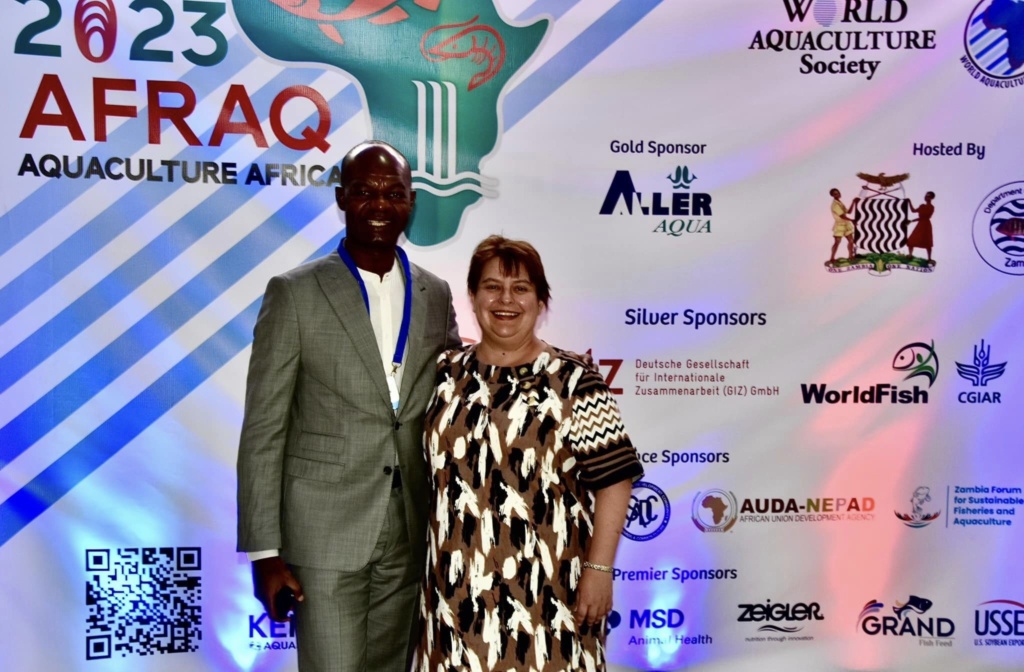
AwF at AFRAQ23 Lusaka
- 22
Nov 23
-
- 26
Oct 26
0
Remembering Dr. Martin “Marty” Riche: A Champion for SustainableAquaculture and Global Community
Category:UpdatesAquaculture without Frontiers is deeply saddened by the passing of our dear friend, colleague, and longtime advocate, Dr. Martin “Marty” Riche, who passed away in June.
Marty was an internationally renowned aquaculture scientist whose career spanned more than three decades across the academic, public, and private sectors. A Research Professor and Principal Investigator in Fish Nutrition at Florida Atlantic University’s Harbor Branch Oceanographic Institute, Marty was widely recognized as a leading authority in fish nutrition, larval culture, physiology, and recirculating aquaculture systems. Prior to his academic tenure at FAU and his pivotal work as Lead Scientist with the USDA Agricultural Research Service, he earned his M.S. from Purdue University, his Ph.D. from Michigan State University, and served as a Christine Mirzayan Science & Technology Policy Fellow with the National Academies of Science.
Beyond his scientific achievements, Marty lived the mission of Aquaculture without Frontiers. His dedication to using aquaculture as a tool for poverty alleviation, food security, and community empowerment began decades ago when he served as a U.S. Peace Corps volunteer in Sierra Leone, co-managing the national fingerling production centre and training local farmers.
As a Director for Aquaculture without Frontiers – USA and a dedicated field volunteer, Marty generously lent his deep expertise to small- and medium-scale farmers, governments, and universities across African nations, including Kenya, Tanzania, Liberia, and Malawi. He firmly believed that teaching sustainable, locally adapted fish farming practices—utilizing native species and local feed resources—could create lasting resilience and improve livelihoods for generations.
As Marty himself often reminded us:
“It is recognized that in addition to the health benefits of fish, aquaculture can contribute to poverty alleviation, food security, and social well-being. By teaching and training farmers to grow native fish species, to incorporate locally available feed ingredients, to develop and follow bio-security protocols, and to reuse fish effluents to irrigate crops, fish farmers can develop truly sustainable farming methods.”
Marty’s warmth, generosity of spirit, humour, and tireless dedication to both science and humanity will be profoundly missed by all who had the privilege of working with him.
The entire global AwF family extends our deepest condolences to Marty’s loved ones, colleagues, and close friends.
- 01
Jun 26
-
Tribute – Mark Robert Oliver (R.I.P) 21 September 1972 – 25 May 2026
Category:UpdatesIt is with profound sadness that we in the Australian seafood community say goodbye to Mark Robert Oliver, who passed away this week. Mark was diagnosed with bowel cancer some years ago. He fought hard for a long time on that tough journey but eventually succumbed on 25 May 2026.
Mark was a hard worker and a true pioneer and a deeply respected leader in our industry, of recent times best known for his incredible work at Condabilla Fish Farm near Chinchilla on the Darling Downs. Alongside his wife, Lanh Vuong, Mark transformed Condabilla into Australia’s second-largest producer of Murray Cod. But for Mark, it was never about sheer volume. His ethos was simple and unwavering: “We don’t want to be the biggest, but we do want to be the best.”
His dedication to sustainable, zero-waste inland aquaculture proved that commercial production could exist in perfect harmony with the environment.
Beyond his success at Condabilla, Mark was fundamentally dedicated to the future of our workforce and global sector:
Pioneering Seafood Education: Mark became excited about aquaculture when he worked for Bay Fish in Narangba, Qld – he worked there for 17 years, and he pushed onwards to get qualifications. He studied at the University of the Sunshine Coast, where he obtained a Bachelor of Science (Honours) in 2006 and then went on to secure a Graduate Diploma in Education, a Diploma of Aquaculture and vocational training and assessing qualifications.
Mark was a firm believer in education/training playing a pivotal role when the national Vocational Education and Training (VET) programs were being promoted through Seafood Training Australia. In 2010 he took he bit between his teeth and created his own Registered Training Organisation (RTO), LMC Training Pty Ltd. His real-world insight added immense value to our national Aquaculture training programs, helping shape the competencies that still train the farmers of today and tomorrow. He travelled long journeys throughout Queensland promoting and engaging people in VET Aquaculture programs.
Despite running his own business, he also found time to assist the Australian Seafood Cooperative Research Centre as their vocational training and education theme leader.
Mark had full time experience in delivering targeted training for the seafood industry and was an International Specialised Skills Institute Fellow, North Queensland Trainer of the Year (all categories) and Certification Panel Member for the Sustainably Farmed Australian Barramundi Program.
Global Leadership: He was a deeply valued member of the World Aquaculture Society (WAS) and served with distinction on the board of the Asian Pacific Chapter (APC-WAS), championing sustainable fish farming practices across the region. Always willing to pass on tips whenever and wherever he could when travelling to WAS events.
Aquaculture for Good: His contributions as a board member for Aquaculture without Frontiers (AwF) Australia stood as a testament to his character—a commitment to using aquaculture to alleviate poverty that is deeply appreciated by myself and shared colleagues like Dr. Meryl Williams.
When Mark left the board he stayed on as Aquaculture Technical Adviser for projects.
Mark was passionate about the sustainable growth of the global aquaculture industry and firmly believed that it would be primarily driven by a quality human resource pool.
Mark had a 36-year involvement with aquaculture and at 53 years of age has departed far too young. His passing is a monumental loss for the Australian and global aquaculture sectors. His innovation, his unwavering commitment to sustainable farming, and his passion for mentoring the next generation leave an enduring legacy that will not be forgotten.
Our deepest condolences go out to his partner, Lanh, his family, and all who had the privilege of knowing, learning from, and working with him. Rest in peace, Mark.


Funeral
Mark’s funeral will take place on 11 June 2026 at Albany Creek Memorial Park, 400 Albany Creek Road, Brisbane from 1.30pm– 2.15pm in the chapel and then from 2.15pm – 3.45pm in the social room where catering has been organised. The funeral is being conducted by Simplicity Funerals, and it is expected that it will be on live video for people who cannot make it to say their final goodbyes.
——————————————————————————————————————————————————-
From the AwF website we are reminded about Mark’s common-sense approach – this is a blog that I posted on his behalf.
10 Things You Need to Know Before Starting an Aquaculture Business
AwF (Australia) Ltd director, Mark Oliver, a well-travelled qualified trainer and owner of a Registered Training Organisation in Australia and myself were discussing our various experiences with aquaculture and made these notes which we thought might be a good “blog” for anyone who is thinking of engaging in the world’s fastest growing primary industry – Aquaculture.
After 24 years in the aquaculture industry Mark has seen a lot of the good, the bad and the downright ugly and laughingly says that many people would have been much better off buying a bar because at least then, at the end of the day, they could have easily drowned their sorrows!
We share the list we came up with you:
KNOW that it is a business. A good aquaculture business is hard work, and it is not a romance. There are always complexities. Be predictable, even boring, and not overly adventurous, certainly in the early years. We have seen many R&D projects passed off as commercial entities and often times they end in failure. Think – money out and grow animals; then sell animals and get money in -hopefully more money in than out. Be commercially successful first with the basics and if you have a desire to try and farm more exotic species, go for it. You might even be able to use it as a R&D tax break, if the laws of your country allow such things, but do not base your whole business on hand-outs.
KNOW your limitations. It is one thing to have ‘the’ idea but turning that idea into a business is a major skill and maybe, just maybe, you might need to call for help and assistance. Never be afraid to ask for help and always look to employ and engage people who will add value. If you surround yourself with too many ‘yes, boss’ people you will end up working for them and not the other way around and always remember “failing to plan is planning to fail”.
KNOW that there are no corners to cut. Buying an existing aquaculture facility or building one may be expensive – then there are the operational costs. Always factor in your operational costs as they can be huge. Feed, power and labour – those three alone can raise the heart rate of the calmest individual. Adopting precautionary principles to your budget is important so that you see how bad this could be without the “rose coloured glasses”on.
KNOW your animal. All aquatic animals are not created equal. Each species has its own quirks, and you need to know them if you want to succeed. Read about them, visit other farms, talk to specialists and spend time with the species or find knowledgeable staff that has. Locate the best and proven genes/species and use them before you experiment and ensure you are dealing with the species you ordered. Beware many people have entered aquaculture with the wrong species aiming at the wrong market and price points and then suffer the consequences of those actions.
KNOW that live animals sometimes die. If you are factoring in fantastic production figures for the first 5 or 10 years, please delete. Like all farming you will have good years, bad years, amazing years and absolutely shocking years. You just need to have enough resources tucked away for 2 shocking years in a row. Remember diseases can easily spread so ensure you have a good biosecurity plan in place. Aquaculture is not immune from such things.
KNOW your market. This is a no brainer, but that still doesn’t stop some people forgetting this important aspect. Marketing is a whole different beast, but it really boils down to this. Can you sell the quantity of product you are predicting to produce and will the price you obtain for it make you happy (and not broke). Knowing your cost of production sounds basic but you would be surprised how many times we have seen people not be aware.
KNOW that getting the right advice is very, very important. If you can find a good association which offers you services this can help as often times you can save money and get great advice. If that is not available then you will need to get qualified advice from accountants and legal advisors. Make sure they are people that have your interests at heart. Contracts, agreements, etc. can be complex so you need to know where you stand and always ensure there is a clear exit strategy that you understand. What starts out well often ends up badly through no fault of the original idea so ensure everything is ‘on the table’ and relationships and potential conflicts are discussed well before putting pen to paper.
KNOW that by working with your local environment and not against the biological community, and utilising and not abusing local resources can be a win-win. Bearing in mind you are potentially providing employment and food for the area and should aim at utilising as many local business services as you can makes you are an asset of the local community. Working local makes sense but it is not always feasible.
KNOW that by using the tools of sustainability makes sense. You should always be looking at increasing your energy efficiencies; minimising your impacts on all aspects of the environment and, if it is possible, turning your waste into a useable resource that can be a winner…..but we know it’s not always as easy as some people say.
KNOW that staff are your greatest asset and can drive the success of the business and bad staff can ruin it. Treat your people well and set good examples and the rewards will follow.
The aquaculture industry has many amazing growth business opportunities so remember to do your homework and try to take the romantic visions of aquaculture out of your mind because as Mark keeps on saying – IT’ S A BUSINESS.
- 28
May 26
-
Ava Drake Completes Extraordinary 200-Mile “Run for Resilience” Challenge for AwF
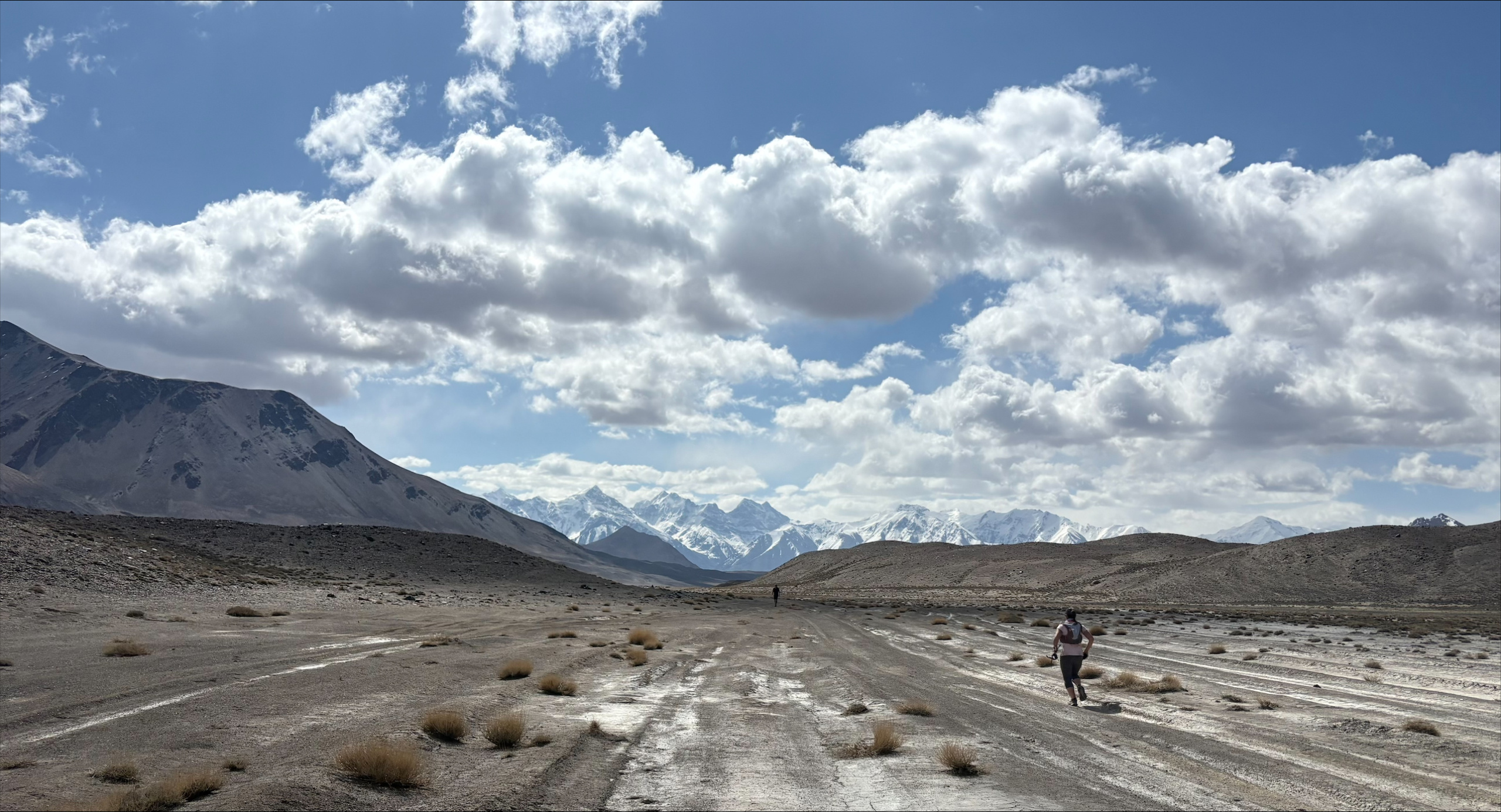
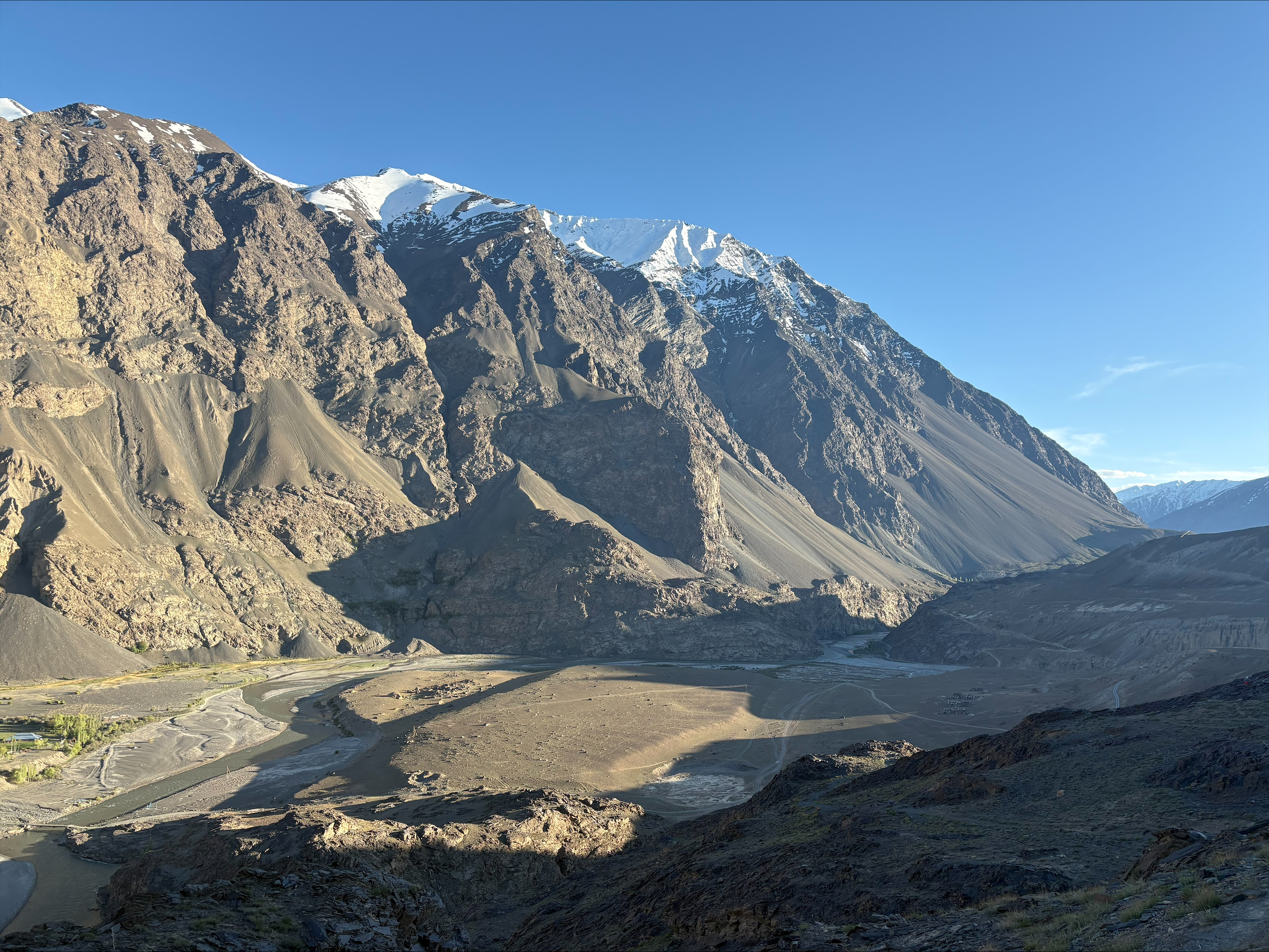
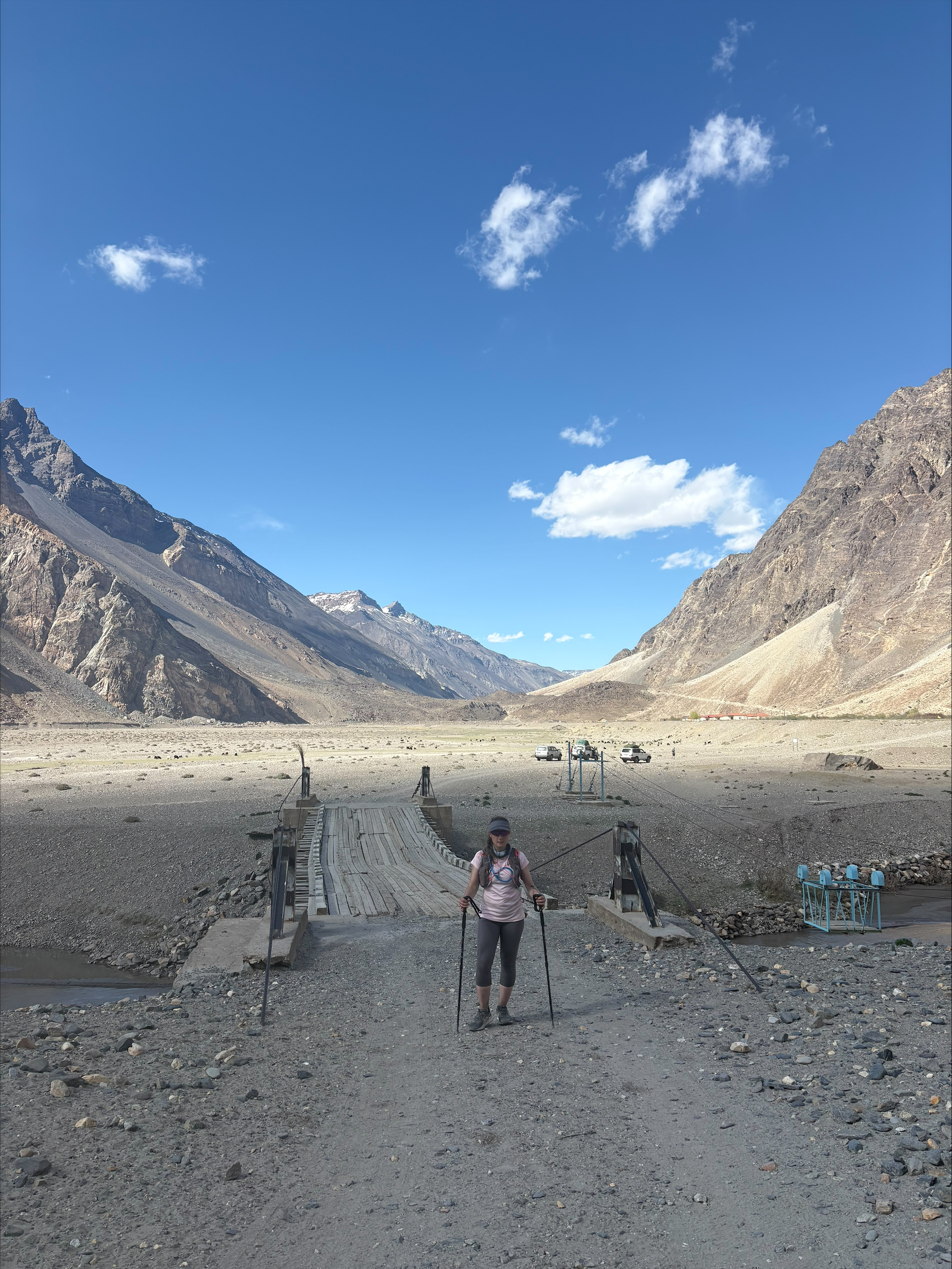
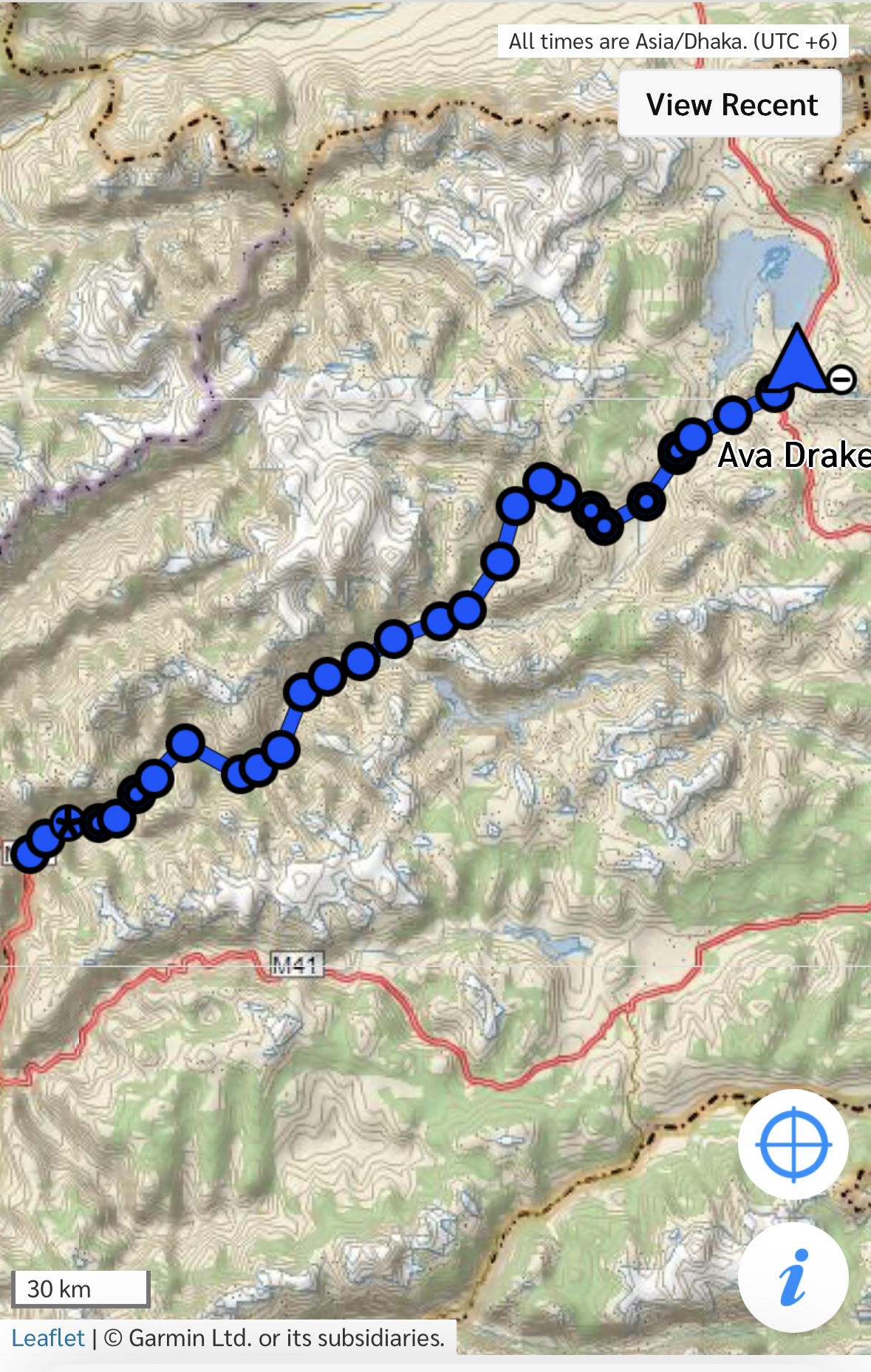
Category:UpdatesAquaculture without Frontiers (AwF) is delighted to share a major milestone in the “Running for Resilience” campaign, with endurance runner and AwF supporter Ava Drake successfully completing her remarkable 200-mile journey across the spectacular landscapes of Tajikistan and being the first runner to cross the finish line.
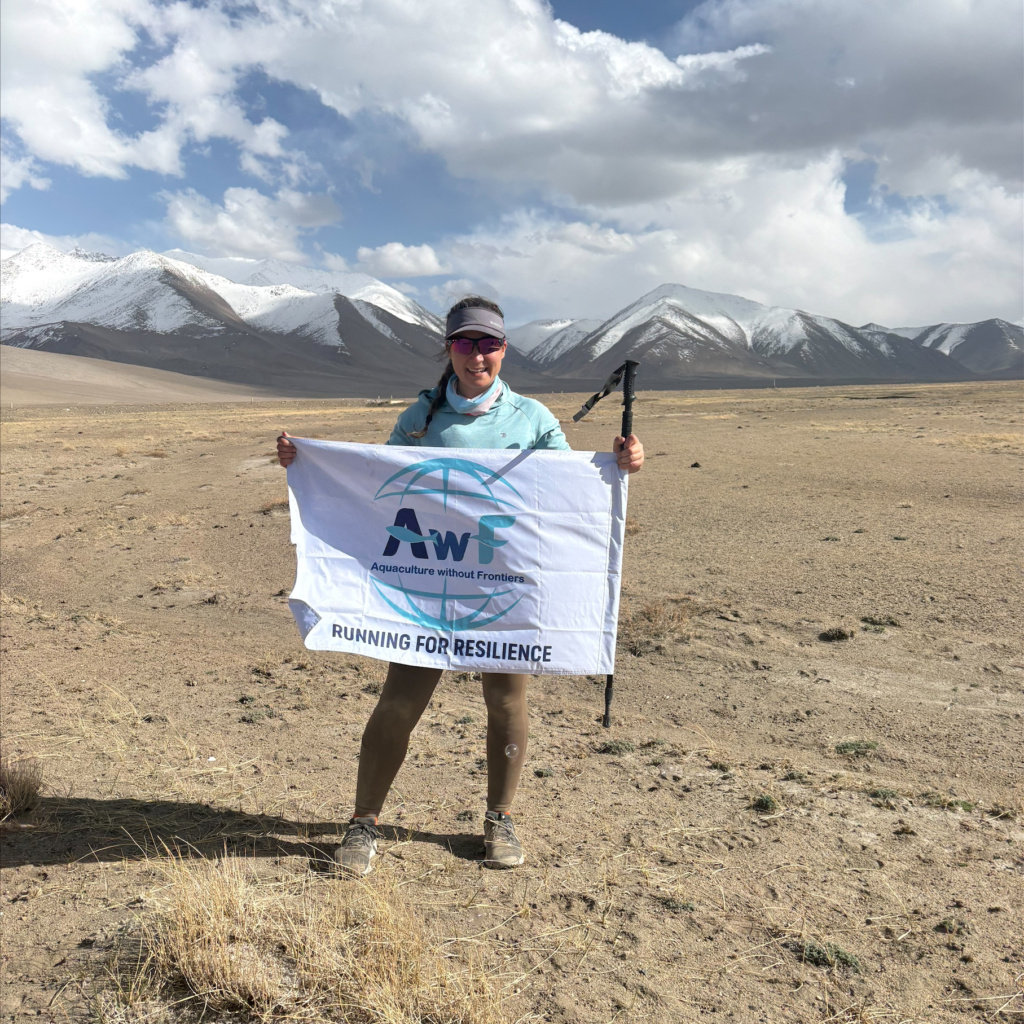
The fundraising effort has also achieved an outstanding result, with donations now exceeding £3,500 in support of Aquaculture without Frontiers’ work helping vulnerable communities improve food security, livelihoods and resilience through sustainable aquaculture initiatives.
Following seven days of running (May 12 to 18) through some of Central Asia’s most breathtaking mountain scenery, Ava reported feeling strong throughout the challenge and thoroughly enjoying the experience despite the enormity of the undertaking. Her achievement reflects not only exceptional endurance and determination, but also the spirit of resilience and optimism that sits at the heart of AwF’s mission.
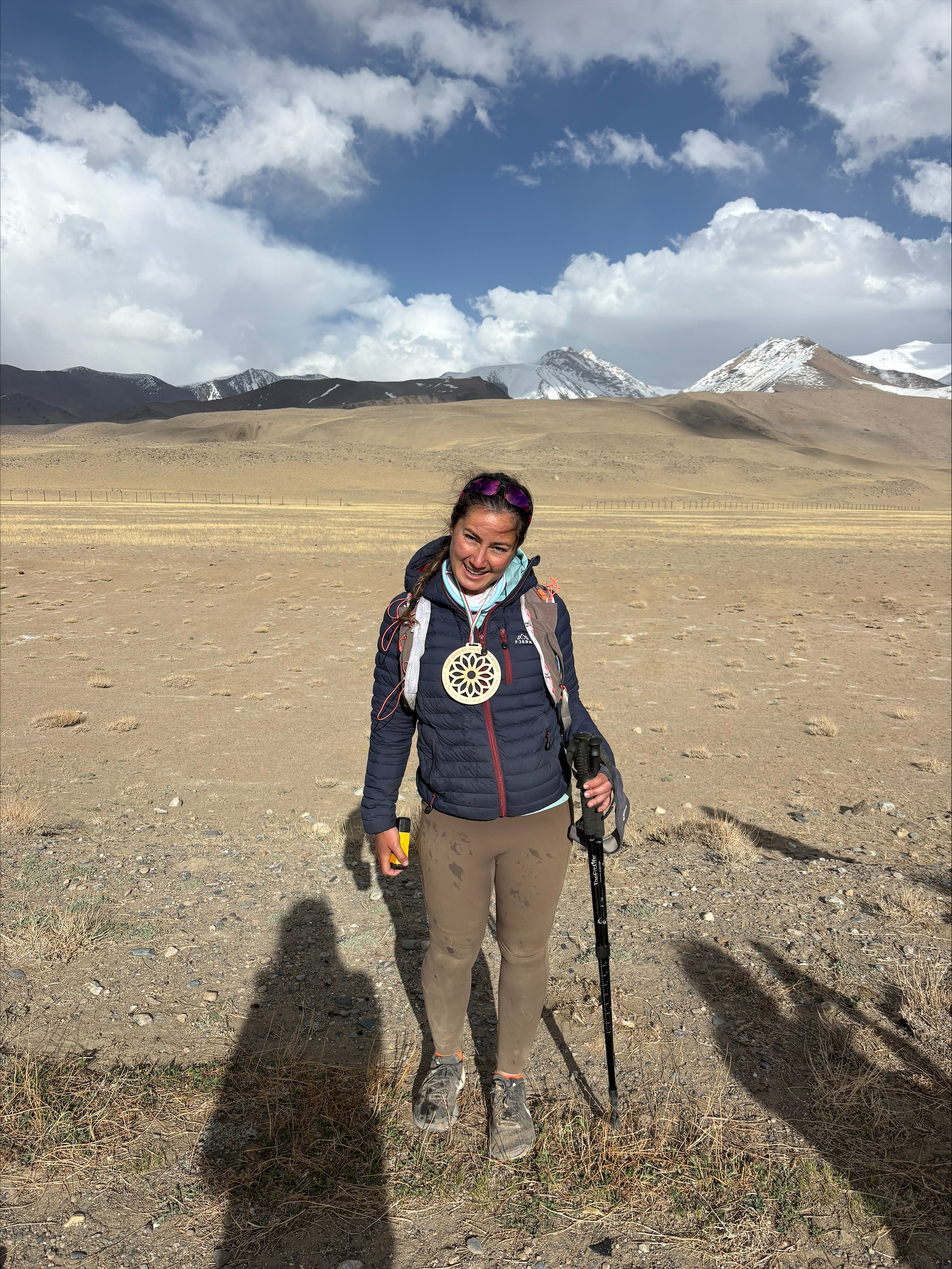
The stunning images shared from the journey have highlighted the extraordinary beauty of the region and reinforced the strong connection between people, landscapes and the importance of sustainable community development initiatives across Central Asia.
The success of “Running for Resilience” has generated significant momentum and growing interest in AwF’s work, including opportunities for future collaboration and outreach. AwF will continue engaging with supporters and partners to build on this success and further strengthen awareness of the role aquaculture can play in supporting resilient communities.
As Ava takes a well-earned opportunity to rest and enjoy time in Bishkek following this extraordinary accomplishment, everyone at AwF extends heartfelt congratulations and thanks for her dedication, passion and commitment to making a difference.
Support resilience. Support aquaculture. Support communities.
For more information on the campaign, visit Aquaculture without Frontiers (www.aquaculturewithoutfrontiers.org/the-run-for-resilience-ava-drakes-200-mile-journey-begins) and Running for Resilience (https://runningforresilience.org/).
- 08
May 26
-
The Run for Resilience: Ava Drake’s 200-Mile Journey Begins
Category:UpdatesThe countdown is over. Tomorrow, Ava Drake begins an extraordinary journey of grit and determination that will take her from Turkey to the rugged landscapes of Dushanbe, Tajikistan.
Ava is embarking on a 200-mile endurance test to raise vital funds for Aquaculture without Frontiers (AwF). Her goal? To champion aquaculture in Tajikistan, supporting sustainable aquatic food systems that empower vulnerable communities.
The Momentum is Building
Before even hitting the first trail, Ava has already achieved a massive milestone—but we need to support her efforts through donating – https://www.gofundme.com/f/avas-200mile-run-across-tajikistan-for-aquaculture-without.
These funds are critical for AwF’s mission to drive on-the-ground action in Tajikistan, providing the technical capacity and partnerships needed to integrate blue foods into regional food systems.
“I’m feeling strong and prepared… just wanted to say thanks so much again for all the support, it really means a lot and I’m really looking forward to what we can achieve.” — Ava Drake
How to Follow the Journey
Starting on the morning of May 12th, you can follow Ava’s progress in real-time as she navigates the terrain.
- Live Tracking: Follow Ava’s path via her Garmin tracker here: Ava’s 200-Mile Run Tracking.
- Update Frequency: To preserve battery life in remote areas, the tracker is set to update every hour.
- Connectivity: Please note that since Ava will be in high-altitude and remote regions, signal may be intermittent. We will share what updates we get as they come through.
Why the “Run for Resilience” Matters
Just as Ava pushes her physical limits, AwF works to push the boundaries of what sustainable aquaculture can achieve for global nutrition. This run symbolizes the resilience of the women and small-scale fishers in regions like Tajikistan, who work daily to secure their communities’ food future.
Ava’s journey highlights that transforming our food systems requires both global policy and individual “on-the-ground” effort.
Let’s cheer Ava on as she takes her first steps toward Dushanbe!
- 10
Apr 26
-
Running for Resilience: No Scripts, No Spin—Just Action
Category:Updates
Running for Resilience- 200 miles for Aquaculture without Frontiers
In the television/streaming series Better Call Saul, the character Jimmy McGill often references far-flung places like Tajikistan to make his stories sound more impressive—more worldly, more convincing.
But the audience knows what’s really happening: the story is doing the work, not the substance.
Pivot to Ava Drake, PhD Candidate at University of Stirling – there is none of that in the story of Ava Drake.
- No embellishment > No need for distant references > No performance > Just action.
Through Running for Resilience, Ava is doing something far more powerful than telling a story—she is living one.
Now link to Aquaculture without Frontiers. At Aquaculture without Frontiers, we see this every day. Resilience is not built through words—it is built through:
- access to food > sustainable livelihoods > community strength.
Often in places that don’t make headlines.
In global development, there is always a temptation to:
- make things sound bigger
- reach for distant examples
- tell stories that resonate more than reality.
But the truth is simpler – real impact happens quietly, locally, and consistently.
Ava Drake’s Running for Resilience is a reminder that you don’t need to travel to the edges of the world; you don’t need to tell extraordinary stories to make a difference. You just need to start and then keep going.
“Resilience doesn’t need a storyline. It needs commitment.”
Why not join us on this journey with Ava – PLEASE donate at https://www.gofundme.com/f/avas-200mile-run-across-tajikistan-for-aquaculture-without OR become a sponsor https://drive.google.com/file/d/1kRDqwNdl168VGmgHclx8hASZ_ieyRS0-/view.
- 10
Jan 26
-
Running for Resilience – 200 MILES FOR AQUACULTURE WITHOUT FRONTIERS
Category:UpdatesAquaculture without Frontiers (AwF) is pleased to introduce “Ava’s Run for Resilience”, a new initiative to support AwF projects in Tajikistan. This activity has been in preparation for some time and now the details have come together.
Ava’s Run for Resilience will raise funds to support AwF’s work in Tajikistan, focusing on resilience and improving lives. The initiative is being driven by Ava Drake, with support from Dave Conley, Steve Dixon and Roy Palmer. Dave’s daughters have also helped by creating some advertising material for the promotion.
The attached “Running for Resilience” Sponsorship Package sets out how you, your company or your organisation can get involved. It provides information about the purpose of the initiative, the planned activities and the different sponsorship options available.
Everyone knows someone who might be interested in supporting this effort. Please consider sharing the sponsorship information with your networks, whether they are potential sponsors, donors, partners, students or others who would like to engage with AwF’s work in Tajikistan.
A webinar is being planned to give more insight into Tajikistan and the projects that AwF is supporting there. This will be an opportunity to learn more about the context, ask questions and see how Ava’s Run for Resilience and the Sponsorship Package fit into the broader work of AwF.
If you are interested in becoming a sponsor or would like to know more, please refer to the contact details provided in the Sponsorship Package. The AwF team looks forward to working together to make Ava’s Run for Resilience a success for the people of Tajikistan.
Running for Resilience Sponsorship Package attached below.
- 30
Dec 25
-
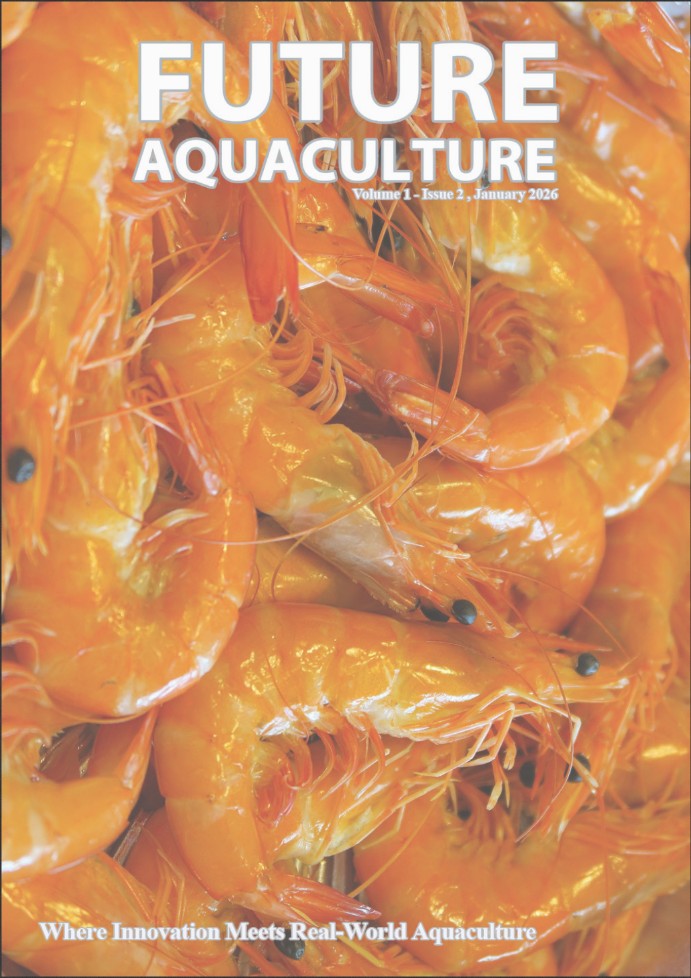
FUTURE AQUACULTUREVol. 1, Issue 1, October 2025
Category:Updates
FUTURE AQUACULTURE
Vol. 1, Issue 1, October 2025
ISSN: 3115-820X
Editorial Director: Dr. Shahram Dadgar (Iran)
Editor-in-Chief: Eng. Ramon M. Kourie (South Africa)
Editorial board: Prof. Aileen Tan Shau Hwai (Malaysia), Prof. Dusan Palic (USA), Dr. Manoj. M. Sharma
(India), Dr. Nageswara Rao (India), Mr. Paul Robert
van der Heijden (Netherlands), Dr. Romi Novriadi
(Indonesia), Prof. Roy Palmer (Australia), Eng. Sergio Zimmermann (Brazil), Prof. Simon John Davies
(UK.), Dr. Yongkil Glen Cho (South Korea).
Click here to view full magazine
- 10
Dec 25
-
Remembering Dr Flower Ezekiel Msuya: AwF Woman of the Month, April 2015
Category:Updates
We join the global aquaculture community in mourning the loss of a true giant, Dr. Flower Ezekiel Msuya, who passed away in August 2025.
Dr. Flower Ezekiel Msuya was a towering figure in the world of phycology and aquaculture. She had a profound impact, particularly on women in coastal communities, and it is essential that we do not forget her enormous contributions.
As highlighted in the December 2025 issue of World Aquaculture Magazine, Dr. Msuya’s professional legacy is immense:
- Pioneering Phycologist: She was a world-renowned expert in seaweed farming and integrated aquaculture (algaculture).
- Economic Empowerment: She pioneered the start of seaweed farming in southern Tanzania and was the driving force behind the Zanzibar Seaweed Cluster Initiative (ZaSCI), directly improving the livelihoods of thousands of women through innovative farming and value-added seaweed products.
- Global Collaborator: Dr. Msuya served on the Executive Board of the World Aquaculture Society (WAS) African Chapter and tirelessly elevated the profile of African aquaculture on the world stage.
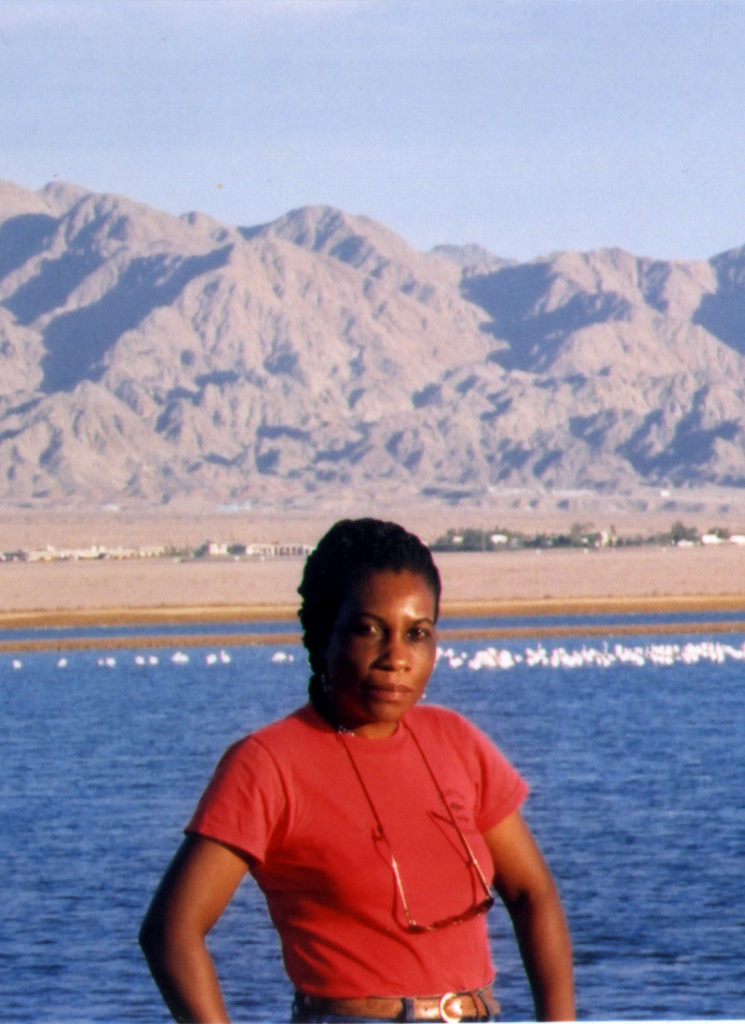
Flower was awarded AwF Woman of the Month in April 2015 and she came to the WAS Conference in Jeju, South Korea where AwF was able to acknowledge all of the great work she had done.
Dr. Msuya’s dedication to making seaweed a sustainable and equitable resource has left an indelible mark on the industry. We at AwF, like so many, will miss her wisdom, humility, and unwavering passion.
RIP Flower
- 02
Nov 25
-
Exciting Collaboration for Aquaculture for the Poor!
Category:UpdatesAquaculture without Frontiers (AwF) is thrilled to announce a new Memorandum of Understanding (MoU) with Future Aquaculture Magazine, a new international publication dedicated to the aquaculture sector.
This partnership aims to boost knowledge-sharing, visibility, and joint action—helping us deliver on our mission to promote responsible aquaculture and improve livelihoods worldwide. The MoU covers:
- Joint promotion of events and initiatives, online and in person
- Opportunities to publish stories, interviews, research, and innovations across both platforms
- Visible support for each other on websites, newsletters, and campaigns
- Enhanced collaboration with industry and academia to drive progress
AwF is committed to delivering practical solutions and capacity-building for sustainable aquaculture, and this partnership leverages both organisation’s global networks to deliver more impact.
AwF (Australia) Ltd chair, Dr Lance Lloyd said “Stay tuned for features, educational resources, and collaborative projects—together, we are advancing responsible aquaculture for a better future and making sure no one is left behind! “
Please support AwF and donate to Ava’s ‘Run for Resilience’ Fundraiser by Ava Drake : Ava’s 200-Mile Run Across Tajikistan for AwF . Ava is going to run 200 miles in Tajikistan to highlight that across Central Asia, food insecurity is a serious issue. Around 28% of people experience moderate or severe food insecurity, and most food is imported, leaving communities vulnerable to external shocks. Aquaculture offers a sustainable solution. It can strengthen local food systems, support livelihoods, and create opportunities for women and marginalised peoples. Funds that AwF receive will go towards projects in Tajikistan.
#Aquaculture #Sustainability #AwF #FutureAquaculture #Partnerships #BlueEconomy
- 21
Aug 25
-
Running for Resilience: 200 Miles for Aquaculture without Frontiers
Category:Updates
Ava Drake is pursuing a PhD in aquaculture at Stirling University, Scotland, and approached Aquaculture without Frontiers (AwF) about creating a donation platform for the two hundred mile run that she has chosen to enter across Tajikistan in May 2026.
How amazing is that?
Ava, who comes from a small town in Essex, UK, and has always been drawn to nature, farming and people, which has seen her engage in travel from Madagascar to Mongolia before starting her degrees in Zoology and then One Health. This travel left a profound mark on her as it helped her see how food, health and equity are strongly interlinked.
In Ava’s own words, “I am not only a researcher, but an avid runner who enjoys a challenge, so when I saw this event that includes running across the Pamir Mountain range, living amongst local communities, and ultimately putting myself through a serious test of endurance and resilience I could not resist.”
“But I did not want this to be just about personal growth. I saw an opportunity to unite three parts of my life: my world as a runner, my world as a researcher, and my vision for a fairer, more equitable world. AwF is the perfect fit for this because their values from grassroots empowerment to gender equity in food systems reflect how aquaculture can be used to address food insecurity. As a woman researcher in aquaculture, I am aware of the privilege I have, not only to study in this field but to do so in a space where I am respected and supported. This is not the case for many women around the world. So, if I can help amplify the incredible work AwF does, raise awareness about the importance of aquaculture, and build something meaningful beyond the race then this campaign would have all been worthwhile. Additionally, as a PhD student I also see this as an opportunity to turn part of my research into something more tangible, something that resonates beyond the academic bubble, and turning miles into meaning.“
Conversations have been held, and AwF are starting to plan how this ‘project’ could be helpful to those Ava has outlined.
Tajikistan is a mountainous and landlocked country in Central Asia, which continues to grapple with significant levels of poverty despite steady progress over the past two decades. As of 2024, an estimated 23% of the population lives below the national poverty line, with rural areas disproportionately affected. About 80% of Tajikistan’s poor reside in the countryside. The country’s fragile economy depends heavily on remittances from citizens working abroad, which, while lifting many out of extreme poverty, also makes household incomes vulnerable to regional and global shocks. Many families earn less than US$3.65 per day, and income disparities remain a persistent challenge.
Because Tajikistan is landlocked and possesses limited arable land (only about 7% of its territory is suitable for agriculture) it relies heavily on imported food, especially wheat, sugar, meat, and various staples. The bulk of food imports come from neighbouring countries such as Kazakhstan, Russia, Uzbekistan, and China. This reliance on imports means that Tajikistan is acutely vulnerable to fluctuations in global food prices, border closures, and supply chain disruptions, as was seen during recent global crises. Food insecurity can quickly escalate when regional exporters change their policies or when transport costs spike, often leaving the poorest Tajiks especially exposed to scarcity and rising prices.
Given these challenges, aquaculture holds considerable untapped potential for improving food security and livelihoods in Tajikistan. Although endowed with extensive river systems and freshwater resources, national fish production remains extremely low. Per capita fish consumption in Tajikistan is among the lowest in the region, under one kilogram per year, compared to the global average of over twenty kilograms. Recent government initiatives, supported by international organizations like the FAO, have begun to promote modern aquaculture practices and technology transfer. If developed sustainably, aquaculture can provide a reliable and affordable local protein source, create rural jobs, and reduce dependence on food imports, helping the country to manage both poverty and food security challenges more effectively in the years to come. AwF will endeavour to be a catalyst of change in that regard because of Ava’s initiative.
Here are some last words from Ava, “I am looking forward to the journey and to seeing what opportunities might grow from it. I am sure that with AwF’s assistance we can do something to assist in Tajikistan. I am hoping to build something meaningful through this process. For me, this run is about connecting people to a bigger story, that aquaculture when done well, is an integral part of the solution.”
AwF will continue to update you all on the ideas and Ava’s involvement in this fascinating adventure and we hope you will join us on this journey of discovery and hope and will be prepared to engage in any way you can.
References
⦁ https://www.adb.org/where-we-work/tajikistan/poverty
⦁ https://www.ifad.org/en/w/countries/tajikistan
⦁ https://borgenproject.org/poverty-in-tajikistan-the-impact-of-remittances/
⦁ https://timesca.com/more-than-a-quarter-of-tajikistans-population-lives-below-the-poverty-line-world-bank-report/
⦁ https://cabar.asia/en/why-are-food-prices-growing-in-tajikistan
⦁ https://www.globalhungerindex.org/case-studies/2011-tajikistan.html
⦁ https://eucentralasia.eu/the-food-energy-water-nexus-in-central-asia-regional-implications-of-and-the-international-response-to-the-crises-in-tajikistan/
⦁ https://openknowledge.fao.org/server/api/core/bitstreams/6ba68b75-d06e-4bf5-bbab-101bf7c6842c/content
⦁ https://seafoodexpoeurasia.com/en/news/central_asia_on_path_to_reviving_its_seafood_market/
⦁ https://www.fao.org/europe/news/detail/warm-water-aquaculture-in-tajikistan-has-considerable-growth-potential/en
⦁ https://openknowledge.fao.org/server/api/core/bitstreams/621d3380-27fb-4081-8fc7-83a51e03c00b/content